Liposuction Michigan and Common Recovery Milestones
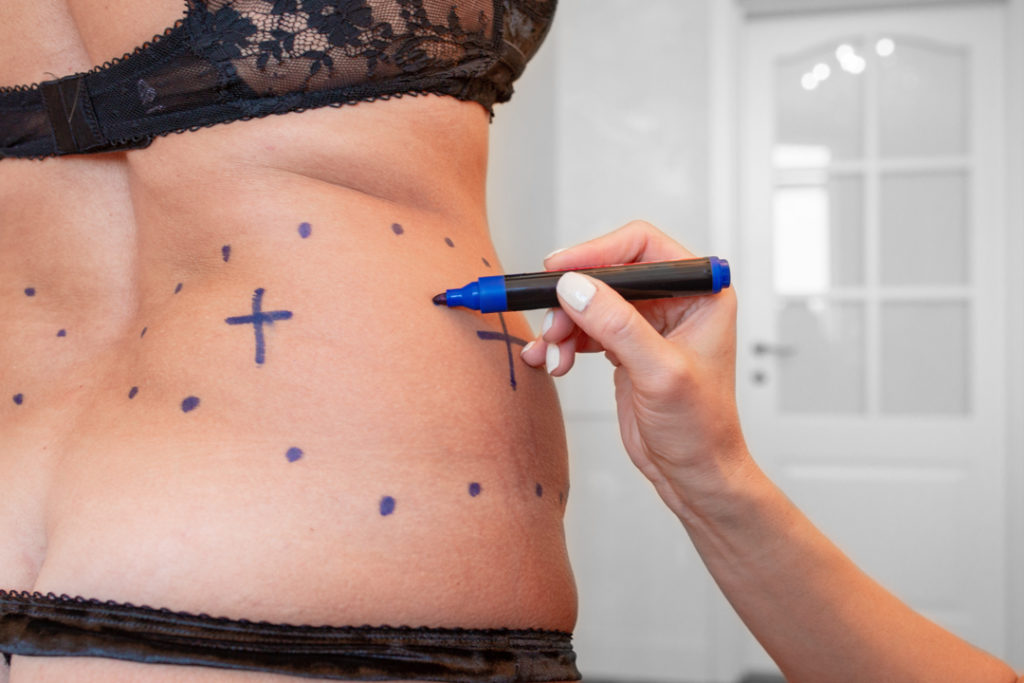

People usually focus on the procedure date. They compare techniques, look at before-and-after photos, ask about cost, and try to picture the final result. Then recovery starts, and that is when the experience becomes real. Swelling feels more dramatic than expected. Compression garments become part of daily life. The body changes from week to week, sometimes from morning to evening. For anyone considering Liposuction Michigan patients often ask the same practical question: what does recovery actually look like, and when should I expect to feel normal again?
The short answer is that recovery is a process, not a single event. Most patients are functional far sooner than they are finished healing. That distinction matters. Being able to walk around the house, drive, or return to desk work does not mean the tissues have fully settled. Liposuction creates internal trauma even when performed carefully and efficiently. The cannula moves through fat layers, fluid shifts occur, and the body responds with inflammation before it rebuilds and refines the area over time.
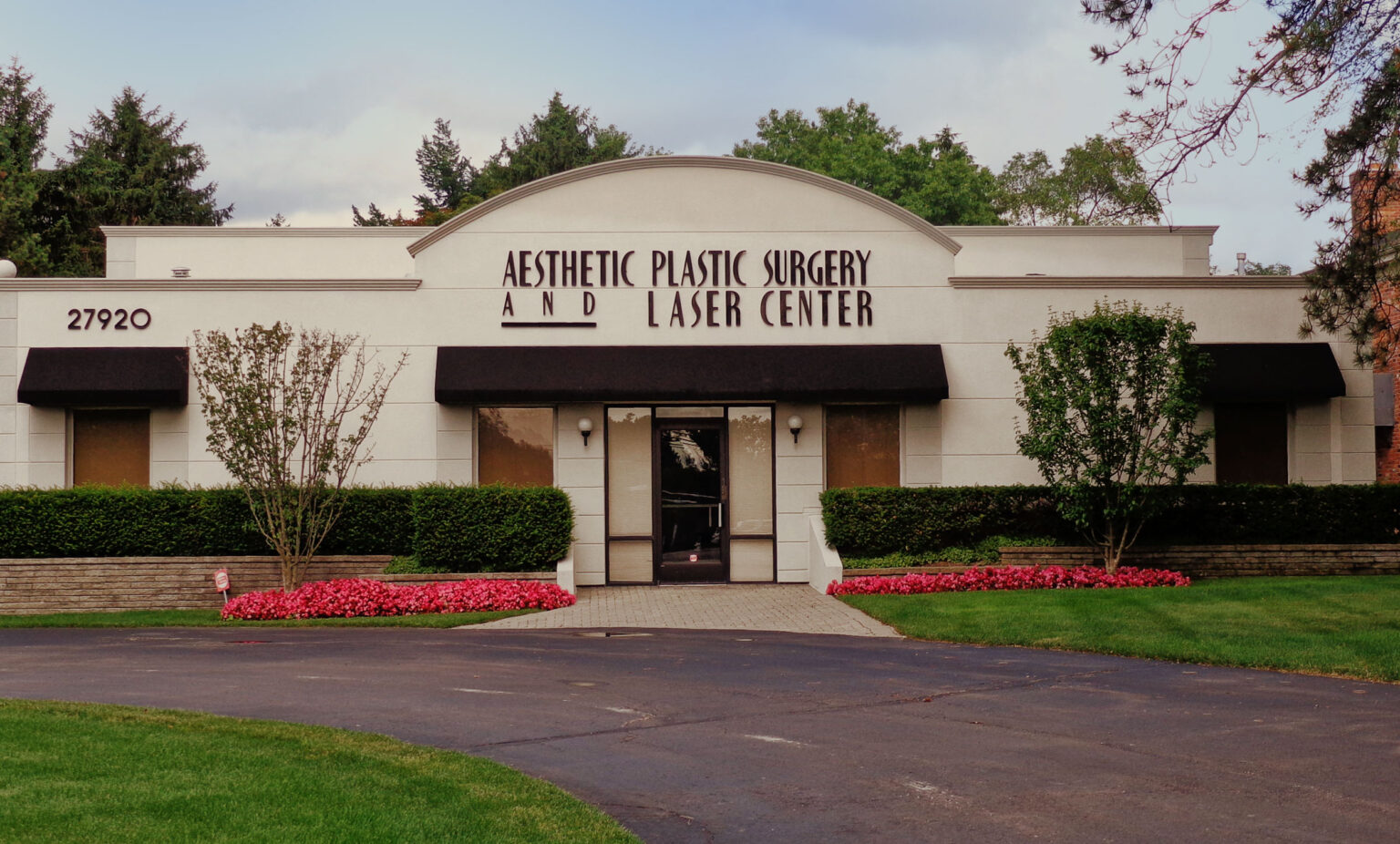
A thoughtful recovery plan makes a noticeable difference. I have seen two patients have similar procedures Aesthetic Plastic Surgery & Laser Center Liposuction Michigan and very different recoveries, not because something went wrong, but because one respected the healing timeline and the other fought it. The patient who tried to resume everything at once often dealt with longer swelling, more discomfort, and more frustration. The one who paced activity, wore compression consistently, and gave the body time usually felt steadier and more confident.
What recovery depends on before the first day even starts
No two recoveries are identical. The amount of fat removed matters, but it is only one factor. The number of treated areas, the technique used, whether the procedure was done alone or combined with another surgery, and the patient's general health all shape the course of healing. A small area under local anesthesia is different from circumferential liposuction of the abdomen and flanks with deeper sedation. Someone in strong baseline condition may mobilize faster than someone who is sedentary, though fit patients can still swell significantly and should not assume they are immune to a normal healing response.
Skin quality also affects what patients notice during recovery. When skin has good elasticity, the contour can begin to look encouraging earlier, even while swelling remains. When skin is thinner, looser, or marked by prior weight changes, the final result may take longer to declare itself. Age can be part of that picture, but it is not the whole story. Hydration, smoking status, medications, and how faithfully someone follows postoperative instructions all influence the details.
Michigan adds a few practical considerations that people do not always think about. Recovery in winter is different from recovery in July. Cold weather can make it harder to get out for gentle walks, and bulky layers can either help conceal garments or make patients feel constricted. Summer heat, on the other hand, can make compression garments feel more irritating and can increase general fluid retention. Neither season is better for everyone, but each brings its own annoyances.
The first 72 hours, when the body is loud
The earliest phase of recovery is the most intense, and often the most emotionally charged. This is when patients notice drainage, tightness, soreness, and fatigue. It is also when many people wonder whether what they are feeling is normal. In most straightforward recoveries, the treated area feels bruised, firm, and swollen. If tumescent fluid was used, some leaking from access sites or dressings can happen early on. That can look dramatic, especially the first night, but it is often expected and short-lived.
Pain is usually more soreness and pressure than sharp pain. Patients often describe it as feeling as if they had an aggressive workout or a deep bruise over a broad area. The lower abdomen, flanks, thighs, and arms can all have their own patterns of tenderness. Getting in and out of bed may be awkward. Reaching overhead after arm liposuction can feel stiff. Sitting for too long after abdominal treatment often increases discomfort.
Walking early matters. Not power walking, not treadmill intervals, just getting up and moving around the house. That supports circulation, reduces stiffness, and lowers the risk of complications associated with prolonged immobility. Most patients can manage short, slow walks the same day or next day, depending on the anesthesia and the extent of the procedure. The goal is gentle movement, not fitness.
During this period, the mirror is not useful. Patients may look puffier than they expected. One side may appear more swollen than the other. The garment can leave impressions that mimic contour irregularities. This is common, and it is one reason surgeons spend so much time setting expectations before surgery. The body has not started showing the result yet. It is still reacting to the procedure.
Week one, functional but not comfortable
By the end of the first week, many patients are feeling more independent. They are moving more easily, eating normally, and reducing pain medication. If they had a smaller liposuction case, they may be surprised by how manageable it feels by day five or six. If they had multiple areas treated, they may still feel slow and easily tired. Both patterns can be normal.
Swelling typically remains very present in week one. Bruising can spread and change color. Areas may feel numb in spots and hypersensitive in others. This mix of numbness and tenderness catches people off guard. It is a common part of nerve recovery and tissue healing. The body is not being inconsistent, it is healing through several overlapping processes.
For patients planning time away from work, the nature of the job matters as much as the calendar. A desk worker may return within several days to a week, especially if remote work is possible and they Liposuction Michigan can stand and stretch regularly. Someone whose job involves lifting, extended standing, patient care, warehouse work, or long hours on the road often needs more time. It is better to underpromise to your employer and recover calmly than to force an early return and struggle through the day.
This is also the point when garment compliance starts to slip for some people. The first few days feel serious, so patients are disciplined. Once they start feeling better, they experiment by taking the garment off for longer periods. Sometimes that is medically appropriate, depending on the surgeon's instructions, but often people simply get impatient. In my experience, those who stay consistent during the first several weeks usually have a smoother course with swelling and comfort.
Weeks two through four, the awkward middle
This period is where most misunderstandings about recovery happen. Patients are no longer in the immediate postoperative phase, so friends and family assume they are done. The patient may also look fairly normal in clothes. Yet internally, the healing process is still active. Swelling can fluctuate a lot during these weeks. Someone may wake up looking more defined, then feel puffy by evening. A salty meal, a long day seated at work, a menstrual cycle, warm weather, or increased activity can all amplify swelling.
This is also when firmness becomes more noticeable. Small areas of hardness under the skin are common after liposuction. They can feel lumpy, ropey, or dense. That does not automatically mean the result is irregular. Very often it reflects edema and early scar formation within the healing tissue. Over time, these areas usually soften. Surgeons vary in how they use massage or lymphatic support, so patients should follow their own postoperative plan rather than copying someone else's routine from social media.
Energy often improves in week two, but stamina may lag behind. A patient might feel well enough to run errands, then come home exhausted and more swollen. That does not mean damage was done. It means the body used energy on healing and still has a limit. This middle phase rewards moderation. People who ease back into routine tend to have fewer frustrating setbacks.
For people seeking Liposuction Michigan practices often see travel-related recovery questions as well. Patients from outside the immediate area sometimes underestimate how much easier recovery is when follow-up is simple. A short drive to a postoperative visit is very different from arranging long-distance transportation while sore and swollen. If weather is poor, which is not unusual in parts of Michigan, logistics become even more important. That is one reason many surgeons encourage staying local or nearby for the earliest phase of recovery.
What tends to improve first, and what takes longer
Healing is not linear, but there are recognizable milestones. Most patients notice discomfort improving before they notice their final contour. Bruising often resolves before swelling does. Clothing fit may improve before the mirror shows a stable result. This can be emotionally tricky, because patients often expect visual progress to match their physical recovery. It rarely does.
Here is a practical way to think about the usual progression:
- Days 1 to 3 often bring the most drainage, tightness, and dependence on help.
- By the end of week 1, basic mobility is better, though swelling and soreness remain significant.
- Weeks 2 to 4 usually allow a gradual return to routine, with ongoing fluctuation in swelling and firmness.
- Around 6 weeks, many patients feel substantially more normal in daily life.
- Several months may pass before the treated area looks settled and refined.
Those are broad ranges, not guarantees. Some people are pleasantly surprised by an easier course. Others, especially after larger-volume procedures or multiple treatment areas, need more patience. The key is to judge progress over weeks, not day to day.
Compression, swelling, and the mental side of waiting
Compression garments are rarely anyone's favorite part of recovery, but they serve a purpose. They help control swelling, support healing tissues, and can make movement feel more secure. The exact schedule varies by surgeon and by case. Some patients wear garments steadily for a few weeks and then taper. Others need longer support, especially if swelling lingers. A properly fitted garment should feel snug, not punishing. When it rolls, digs, or creates sharp pressure areas, it needs adjustment rather than stoic endurance.
Swelling deserves more respect than it usually gets. It is not just a cosmetic nuisance. It changes sensation, affects comfort, and can distort a patient's perception of the result. I have had patients become worried at three weeks because the area looks uneven at the end of the day, only to see a much smoother contour in the morning. That daily swing is frustrating but common. It is one reason surgeons are careful about making early judgments. Early recovery is a poor time to obsess over tiny asymmetries.
The mental side of liposuction recovery is real. Patients often feel upbeat right after surgery because they have finally acted on something they wanted for a long time. Then they hit the swelling phase and wonder if they made a mistake. This emotional dip is common after many elective procedures. It usually improves once visible changes start to align more clearly with the effort and inconvenience of recovery. Good preoperative counseling helps a lot here. Patients do best when they know the awkward middle is coming.
When exercise can return, and why restraint pays off
Most active patients want to know when they can work out again. The honest answer is that exercise should return in stages. Walking starts early, often immediately or within a day. More strenuous activity usually has to wait until the surgeon feels the tissues are ready. The reason is not simply comfort. Higher-impact movement increases swelling, and heavy effort too soon can make the area more reactive and prolong recovery.
At first, patients tend to tolerate low-intensity activity better than anything involving jumping, running, aggressive core engagement, or heavy lifting. Someone who had abdominal or flank liposuction often notices this quickly. Even if they feel mentally ready to train, the treated area may feel tight and unstable with stronger exertion. Easing back in is not laziness. It is smart tissue management.
There is also a body image trap during this phase. Some people fear that reduced workouts during recovery will undo their result. That is not how postoperative swelling and contouring work. A short period of modified activity does not erase carefully performed liposuction. In fact, forcing intense exercise too early is more likely to worsen swelling and make the body look less defined in the short term.
Signs that deserve a call to the surgeon
Normal recovery has a wide range, but certain changes warrant prompt contact with the surgical team. Patients should not try to diagnose these issues through message boards or group chats. A quick call often resolves confusion and, when needed, gets the patient seen quickly.
- Pain that sharply worsens instead of gradually improving
- One-sided swelling that seems sudden or dramatically different
- Fever, spreading redness, or drainage with a foul odor
- Shortness of breath, chest pain, or calf pain
- A garment or dressing causing skin injury, numb pressure, or severe indentation
Most postoperative concerns turn out to be manageable, but it is always better to ask early. Good surgical teams expect questions during recovery.
The three-month mark and beyond
By about three months, many patients feel they can finally assess the result with a clearer eye. Swelling is usually much improved, firmness is softer, and the contour starts to look more stable from week to week. Clothes often fit better before the patient fully appreciates the visual difference. That is especially true in the abdomen and flanks, where waist definition may show up first in how pants sit rather than what a patient sees in the mirror.
Even then, subtle changes can continue for several more months. Skin retraction, tissue softening, and residual swelling all keep evolving. This is one reason surgeons typically avoid discussing any revision too early unless there is a clear problem. The body often needs time to reveal the real endpoint. Acting too soon can create unnecessary interventions.
Patients who maintain stable habits usually enjoy the result best. Liposuction removes fat cells from treated areas, but it does not freeze the body in time. Weight gain can still occur, and body composition can still shift. That does not negate the procedure. It simply means the best results are supported by realistic long-term care rather than wishful thinking.
Setting expectations that make recovery easier
The smoothest recoveries usually start with accurate expectations. Liposuction is not minor because it is common. It is surgery. Most patients can return to a good portion of their regular life relatively quickly, but they should expect weeks of swelling and months of gradual refinement. Planning for help the first day or two, choosing loose clothing, preparing a comfortable sleep setup, and clearing a realistic work schedule all reduce stress.
Patients also do better when they avoid comparing their timeline to someone else's. One friend may post polished photos ten days after surgery and look camera-ready. Another may still be swollen at five weeks. Neither story automatically predicts your own. Differences in anatomy, areas treated, fluid management, technique, and healing response all matter.
For anyone exploring Liposuction Michigan options, the best recovery advice is not glamorous. Choose a qualified surgeon, ask specific questions about your own case, and prepare for the full recovery arc rather than just the procedure day. The people who handle recovery best are usually not the toughest or the most impatient. They are the ones who understand that healing is a sequence, respect it, and let the result emerge at its proper pace.
That is the real milestone map. Early days are about safety and comfort. The first month is about swelling control and steady progress. The following months are about patience, refinement, and seeing the actual outcome take shape. When patients know that from the start, recovery feels less confusing and far more manageable.
Aesthetic Plastic Surgery & Laser Center, Michelle Hardaway M.D.
27920 Orchard Lake Rd, Farmington Hills, MI 48334, United States
+1 248-221-1957
FAQ About Liposuction Michigan
Is 55 too old for liposuction?
Age 55 alone does not determine suitability. A surgeon evaluates overall health, skin quality, healing risks, and realistic goals. A personal consultation is needed to assess candidacy and discuss alternatives.
What happens 10 years after liposuction?
Contour improvements can last, especially with stable weight. Aging, pregnancy, and weight changes can alter the appearance over time. Results vary, and liposuction does not prevent future body changes.
Can lipo get rid of an apron belly?
Liposuction reduces localized fat but does not remove hanging excess skin. An apron belly may require assessment for a skin-removal procedure instead of, or alongside, fat removal. A qualified plastic surgeon can explain appropriate options and their risks.